Minnesota DNR Seeks Comment On Proposed New Trout Water Designations
Minnesota is, of course, known as the Land of 10,000 Lakes — though the real number is closer to 11,842 lakes of 10 acres or more, roughly 4,500 of them considered fishing lakes, plus more than 16,000 miles of fishable rivers and streams.
It's no wonder that 1.7 million anglers wet a line here in a single year, spending an estimated $5.9 billion in the process.
Fishing isn't just a pastime in this state — it's an economy, a tradition, and for many families, a rite of passage that starts long before the annual fishing opener, and the dollars anglers spend on licenses go right back into the water, helping fund conservation work across the state.
Trout Fishing Is a World of Its Own
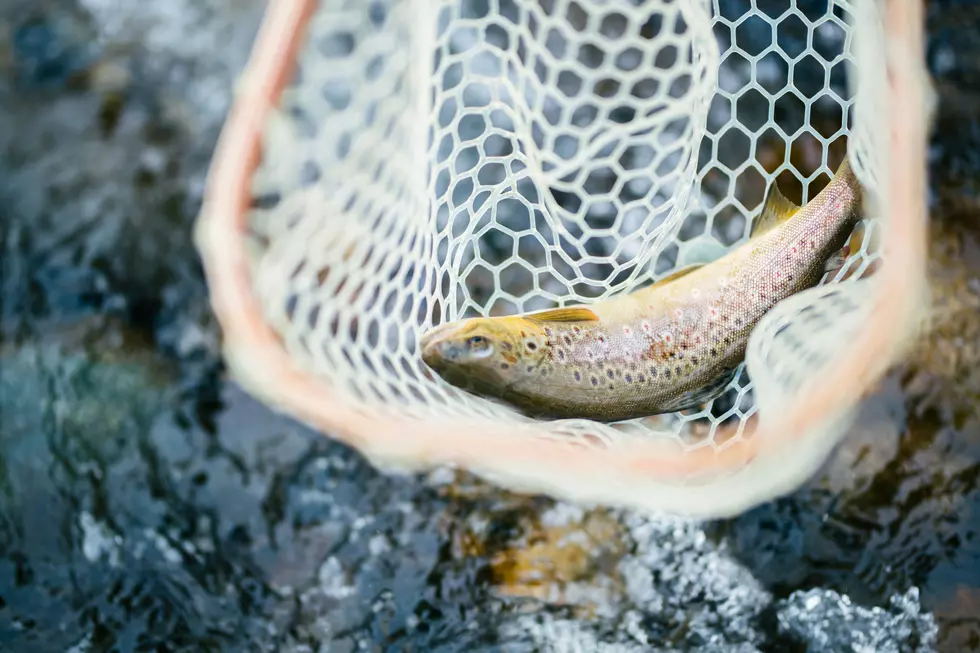
Minnesota is home to some 3,800 miles of trout streams, from the bluff-country creeks of the southeast, where roughly 700 miles of streams wind through hardwood forests, to the rugged North Shore, famous for its steelhead runs and Lake Superior salmon.

The DNR splits the state into six distinct trout regions, and dedicated anglers can even scout them on an interactive trout map before heading out.
The DNR Wants to Hear From You On Proposed Trout Fishing Changes
Now, the Minnesota Department of Natural Resources is accepting public comment on proposed changes to trout stream and stream trout lake designations covering about 125 miles of trout waters across 11 counties.
Those designations determine how trout fishing seasons and methods are regulated, and they help the agency improve angler access, protect fish habitat, and add safeguards for sensitive waters.
As Dean Paron, the DNR's stream habitat supervisor, put it, environmental conditions "improve or worsen" over time, and "new information about trout habitats shows us they need protection."
In other words, the map of Minnesota's trout waters is a living document — and it's due for an update.
What's Actually on the Table
First, a quick primer on what these labels really do. A trout stream or lake designation is the legal tool the DNR uses to set trout-specific seasons and methods, and it's what places a water under special local regulations like catch-and-release stretches, slot limits that protect certain fish sizes, and gear restrictions.
Designated trout waters also call for anglers to carry a trout and salmon stamp, and they come with an added rule that bans taking minnows to protect the food base wild trout depend on.
So when a stream gets added to the list, it moves under those trout-focused seasons and protections and becomes eligible for the DNR's habitat improvements and angler-access work.
SEE NOW: These Are The 10 Most Dangerous Cities In Minnesota
When a designation is removed, the water simply returns to Minnesota's general fishing rules — a step the agency usually takes when a stream or lake can no longer support trout the way it once did. In short, additions flag waters worth extra protection, while removals tend to reflect habitat that has changed over time.
With that in mind, here's how the proposed changes break down by area fisheries office:
- Duluth: Designate 28 miles of streams; remove designation from 16 miles of stream and one stream trout lake
- Lanesboro: Designate 72 additional miles of streams
- Lake City: Designate 24 new miles of streams
- West Metro: Designate one additional mile of stream
- Grand Rapids: Remove designation from 18 miles of streams and one lake
- Finland: Remove designation from three stream trout lakes
- Grand Marais: Remove designation from one stream trout lake
How to Weigh In Before September 11
If you have thoughts — whether you're a fly-fisher who knows a certain creek by heart or a weekend angler who just wants more places to cast — the DNR is listening through 11:59 p.m. on Friday, Sept. 11, 2026.
SEE NOW: Items Now Banned From The 2026 Minnesota State Fair
Comments can be submitted by contacting the relevant area fisheries office, by calling Dean Paron at 651-259-5205, or by mail to the Minnesota DNR, 525 Lake Ave. S., Suite 415, Duluth, MN 55802.
First Fall Frost Dates for Minnesota in 2026
Gallery Credit: Samm Adams
More From Quick Country 96.5