
Why Allergies Are Now Surging In Minnesota
You may have noticed that your eyes were itching, your throat was scratchy, and maybe you've been sneezing a lot, too. It’s not just your imagination—seasonal allergies are back in full force here in Minnesota.
One of the best parts about living here in the Land of 10,000 Lakes is that we routinely get to experience all four seasons. Except for maybe the last two years, when we didn't really get much of a winter at all.
But now that the calendar has flipped from summer to fall, all those favorite autumn events and activities are beginning to start in earnest here in the Bold North:
- The Minnesota Vikings are playing games that actually mean something.
- Kids (and teachers) are looking forward to MEA Weekend
- ValleyScare has returned to Valleyfair
- Trips to corn mazes and apple orchards are picking up
- Halloween decorations are beginning to appear
But while all those events are typically things we look forward to doing in the fall, one other event is ALSO now in full swing here in the North Star State:
Ragweed pollen season is now here again in Minnesota. And, if you have seasonal allergies, this year might once again be miserable, as pollen counts for ragweed (Ambrosia artemisiifolia) are already increasing, a trend that started over 15 years ago.


Here's why you might already be experiencing congestion and sneezing, a runny nose, or itchy, watery eyes. The U.S. Environmental Protection Agency (EPA) says that ragweed plants mature in mid-summer and produce small flowers that generate pollen. Ragweed pollen season usually peaks in late summer and early fall, but these plants can sometimes continue to produce pollen until our first frost.
ALSO INTERESTING: This Minnesota Haunted Attraction Is Called One of the Scariest in the World
The EPA says that over 15 percent of Minnesotans (roughly 750,000 of us) are sensitive to ragweed. A single ragweed plant can produce up to a billion pollen grains in one season, which are then carried long distances by the wind. Other weed and grass pollens combined with ragweed make this the most extreme allergy season, the Richfield Medical Group notes.
The EPA also noted that the ragweed season has been increasing, and is now 18 days longer than it was in 2010. Ragweed pollen is already impacting various areas of Minnesota this year. While it's somewhat lower now, the 15-day Allergy Forecast from the Weather Channel had previously been in the moderate or very high category for much of the past several weeks.
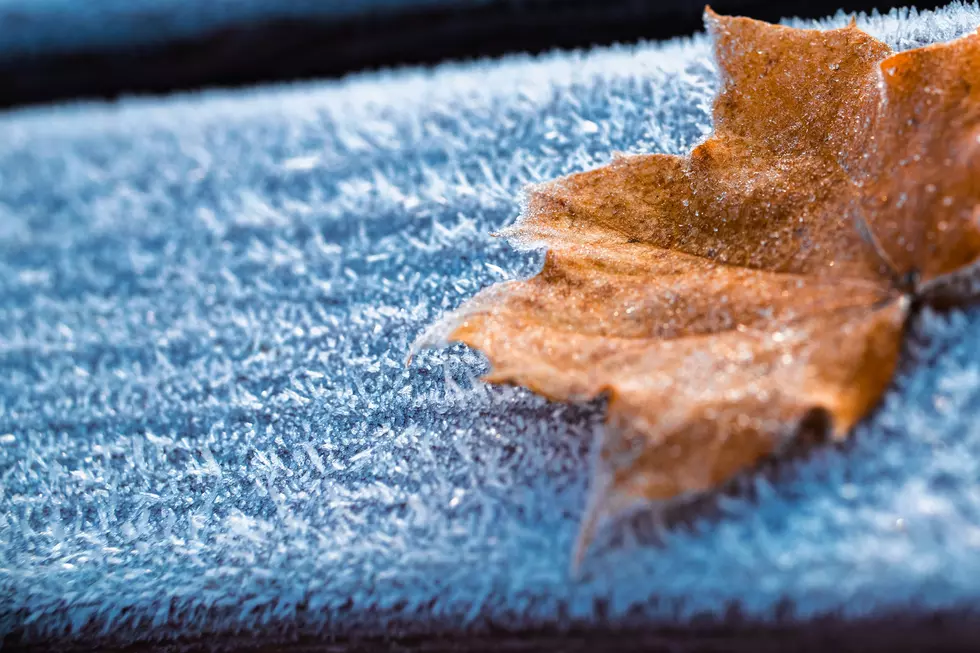
There are a few things you can do to help ease those seasonal allergies, according to weather.com. And keep scrolling to see when the typical first frost dates are for cities across Minnesota when ragweed pollen goes away!
- Shower after being outdoors. To remove pollen you pick up outside, take a shower and change your clothes.
- Minimize indoor pollen. Keep your windows shut and use your AC or a HEPA purifier to filter allergens.
- Check the weather. Learn when conditions such as the wind increase pollen levels, so you can prepare.
- Know your allergy relief options. From medications to nasal sprays, talk to your doctor about your options.
Listen to Curt St. John & Samm Adams
weekdays from 6 to 10 a.m. on Quick Country 96.5
First Frost Dates For Minnesota Cities
Gallery Credit: Ken Hayes
Minnesota's Most Popular Baby Names (2024)
Gallery Credit: Samm Adams
More From Quick Country 96.5