

KROC-AM Turns 90, Andy Brownell Looks Back On Rochester’s Longest-Running Radio Station
Ninety years ago, on September 30, 1935, the switch was flipped and KROC-AM began broadcasting at 1340 on the AM radio dial.
According to a story written by Todd Kosovich and published on this website 10 years ago to mark the 80th anniversary of KROC-AM, Rochester's first radio station was started by Stanley E. Hubbard and Gregory Gentling. Gentling, who was the first station manager, assumed full ownership of KROC-AM in 1937. The Gentling family remained owners of the station, along with others in Rochester, South Dakota, and California, under the Southern Minnesota Broadcasting Company until 2004.
READ MORE: History of KROC-AM in Rochester, Minnesota
It has been a blessing to be part of the rich history of KROC-AM for nearly half of those 90 years. I was hired as a part-time announcer in 1982, just three years before the 50th anniversary of the launch of “The Voice of Southern Minnesota.” The station had moved into its current building at 122 4th Street Southwest in downtown Rochester four years earlier, after sharing space with KROC-TV (now KTTC-TV) in a building that once stood at the corner of 6th Street and 1st Avenue Southwest.
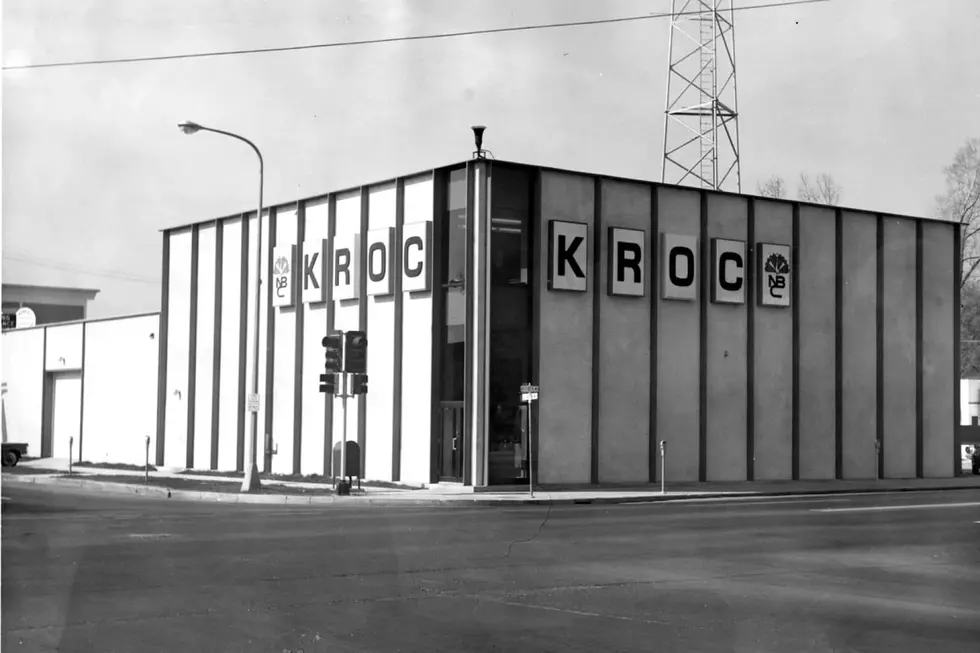
Broadcast Pioneers Who Shaped Local Radio
It was an honor to join a staff that still included a number of broadcast pioneers. Among them was the great Bernie Lusk, who helped create and organize the annual Rochester Eagles Cancer Telethon, which started in 1954 and is the oldest locally run telethon in the country. Bernie was a legend in southeastern Minnesota, broadcasting thousands of high school and sporting events until his retirement. I still vividly remember his retirement party, a huge gala attended by hundreds from throughout the region.
Another notable broadcast pioneer who generously provided guidance in my early days at KROC-AM was Bob Ryan. I grew up listening to Bob and watching him on television after he came to Rochester following a long and award-winning career in the Twin Cities and elsewhere. His experience, including reporting from battlefields during the Vietnam War, was an inspiration.
READ MORE: Bob Ryan's Illustrious Broadcasting Career
The Days Before Digital
It was a time of rapid change. The KROC-AM studio still contained some of the equipment from the early days. It was just before the digital revolution, and the room was filled with turntables, a huge microphone suspended by pulleys and cables, with a control panel filled with large switches and dials. Shelves were lined with 45 rpm records, and racks held the tape cartridges that contained all of the commercials.
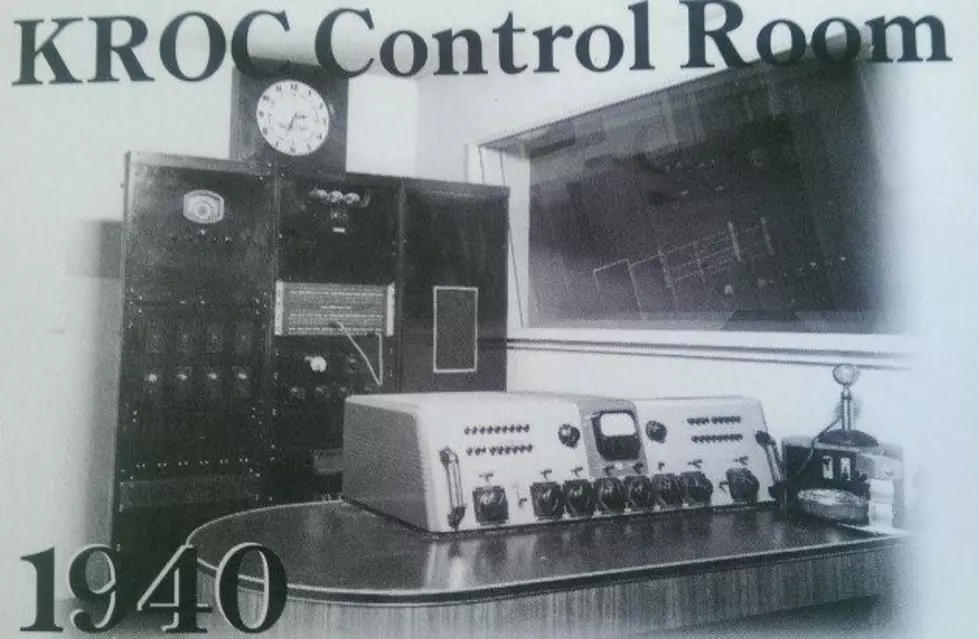
Instead of typing on a keyboard and clicking a mouse, filling the airwaves with sound was a much more physical exercise. Each ad had its own tape cartridge, which had to be stacked in sequence and inserted into two or three cart machines one after another during commercial breaks. Songs were placed on turntables and carefully spun back and forth to ensure the needle landed on the very first note. There was always a flurry of activity.
The newsroom, located just feet away from the studio, echoed with the constant clacking of the United Press International and later Associated Press wire machines. The typewriters were still manual, with electric typewriters arriving a few years later and soon being replaced by computer terminals. Everything was on paper and stored in massive filing cabinets. I don’t think there was even a single TV set in the newsroom at that time.

KROC-AM: Rochester’s Voice for 90 Years
Rochester was still a relatively small city in those days, but with Mayo Clinic only blocks from the KROC studio, there were frequent visits by prominent national and global figures. There were multiple presidential visits, Ronald Reagan’s extended stay following brain surgery after leaving office, and repeated lengthy visits by Jordan’s King Hussein, which also brought Israeli Prime Minister Benjamin Netanyahu and Russian President Boris Yeltsin to Rochester.

The news coverage included too many tragedies. The decades delivered numerous criminal cases and other deadly incidents. It also featured coverage of key meetings that shaped Rochester into what it is today: the closing of the Rochester State Hospital and its conversion into a federal prison, major downtown redevelopment in the 1980s led by developer Gus Chafoulias, the decline of IBM’s presence in the city, and the ongoing expansion of Mayo Clinic and the current Destination Medical Center initiative.
RELATED: Famous Interviews on Rochester's First Radio Station
KROC-AM is Rochester’s history. Since 1935, the radio signal at 1340 AM—and now also 96.9 FM—has always provided the community with crucial information and entertainment. That tradition will continue in the years to come.
TIME TRAVEL! Take a trip back to Downtown Rochester in 2005
Gallery Credit: Andy Brownell
Hidden Rochester Minnesota Gem: The Nuss Antique Truck Collection
Gallery Credit: Andy Brownell