

The Creepy Carnivorous Plants Growing Right Here In Minnesota
Did you know that we have carnivorous plants in Minnesota? I always thought they were only in jungles or tropical places. I didn't know we have 14 different carnivorous plants in the state. One of them can only be found on the rocky shores of Lake Superior.
There are 4 different carnivorous plant genera in Minnesota:
Purple Pitcher Plant
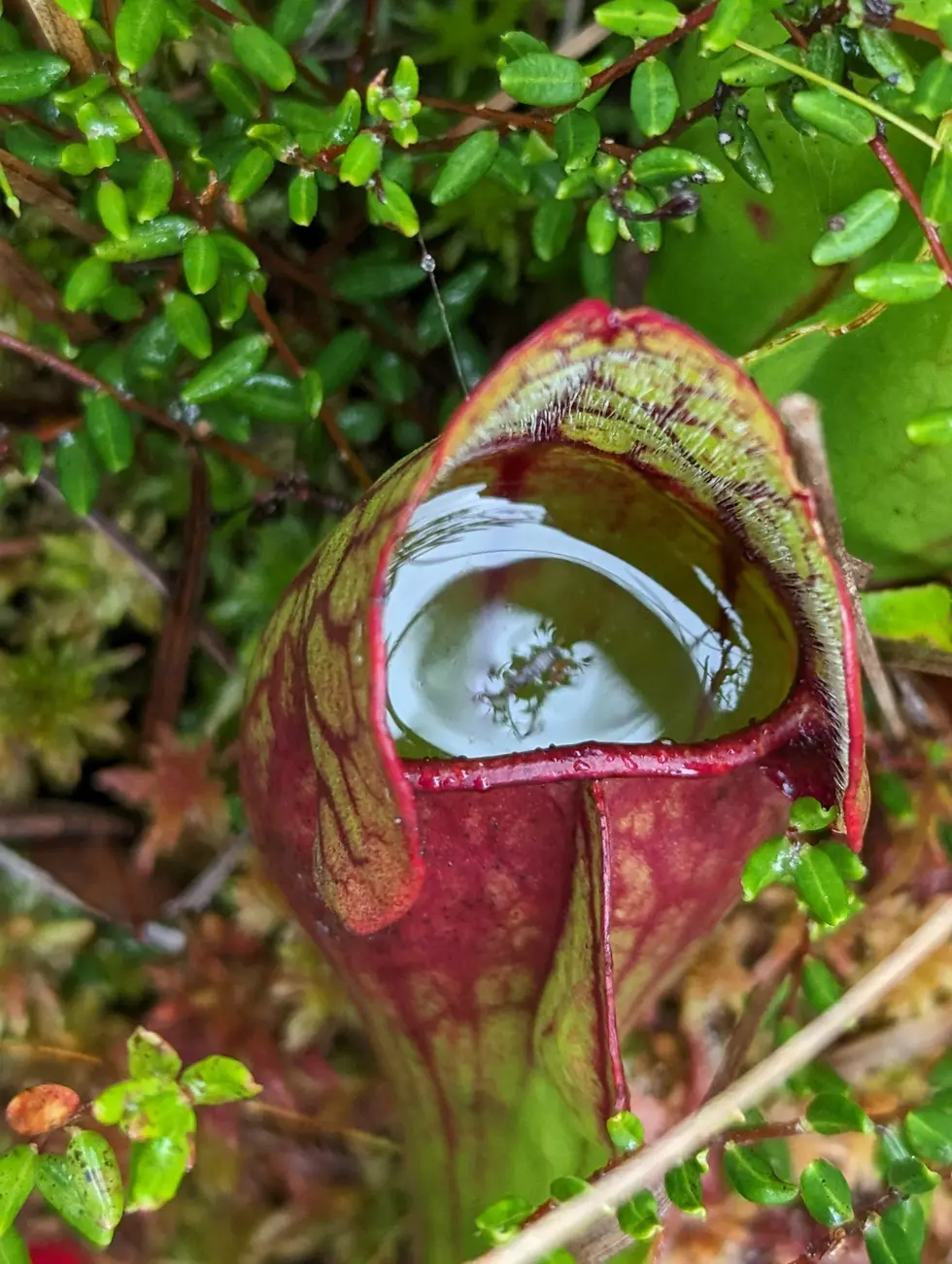
The scientific name is Sarracenia purpurea, but it's better known as the purple pitcher plant. This plant turns purple later in the growing season. The leaves turn into pitcher-shaped traps that catch small insects. It then traps them inside with tiny hairs that don't allow them to crawl out.
Read More: Watch Underwater ROV Dive To Deepest Part Of Lake Superior
These plants catch rainwater, which then drowns the insects, and then they are digested by the plants. You're more likely to find them in bogs and wet areas. They are relatively common in forests across Minnesota.
Round-leaved Sundew
The Drosera rotundifolia is better known as the round-leaved sundew. This plant has sticky droplets on the leaf hairs that trap insects, which it digests. They are also found in bogs, but can also grow in moist sandy soil. Like the purple pitcher plant, these carnivorous plants are common in Minnesota forests.
Butterwort Plants

This plant only exists in Minnesota along the rocky shoreline of Lake Superior. It can be found in different areas around the globe in Northern areas. It's a different species than the round-leaved-sundew, but it catches insects the same way. Sticky hairs located on the leaves catch small insects that can't escape.
Common Bladderwort
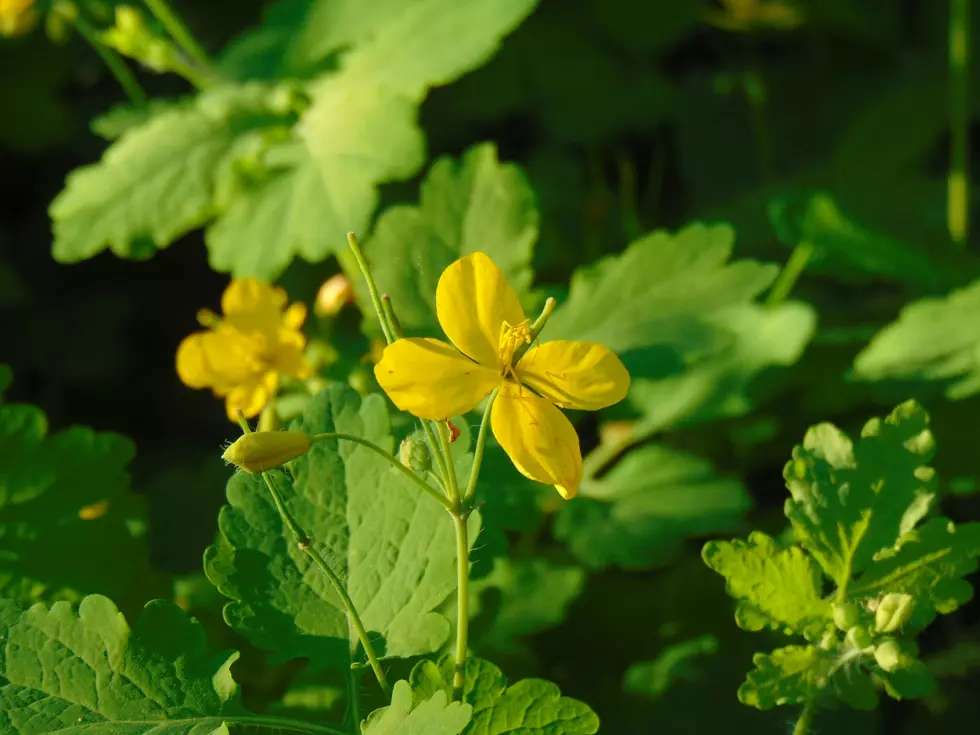
The Utricularia vulgaris is common in Minnesota, but you'll need to look in the water. These plants have bladders that are like a set trap for insects that swim by. The bladder has negative pressure, so when an insect triggers a hair, the bladder sucks in the water and prey within a fraction of a second. Isn't that crazy!
The best chance to see them is to look for the bright yellow flowers that sometimes appear above the water.
Learn more about Minnesota's carnivorous plants from the University of Minnesota's Bell Museum.
LOOK: 20 of the biggest insects in the world
Gallery Credit: Andrea Vale